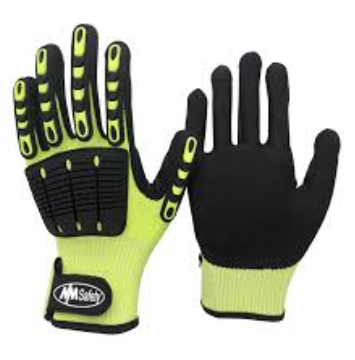

Glass handling is one of the most cut-hazardous occupational tasks that exists. Whether in glass manufacturing, glazing installation, construction, or laboratory environments, workers who handle glass face constant risk of severe lacerations. glass handling gloves are engineered specifically to mitigate this risk, providing the cut and puncture resistance necessary for safe glass manipulation.
The Specific Hazards of Glass Handling
Cut Risk Profile
Glass presents a unique cutting hazard compared to metal or other sharp materials. Its edges can be unpredictably sharp, invisible at certain angles, and capable of causing deep cuts even with minimal applied force. When glass breaks during handling, fragments scatter in all directions, creating instant multi-point hazard.
For these reasons, glass handling gloves must offer very high cut resistance ratings — typically ANSI A6 or above, or EN 388 cut level E or F — to provide meaningful protection against the type and frequency of cutting exposure involved.
Material Requirements for Glass Handling Gloves
The liner materials used in glass handling gloves must combine extreme cut resistance with sufficient flexibility for controlled manipulation of large, glass handling gloves heavy glass panels. Stainless steel fiber blends, HPPE, Dyneema, and Kevlar composites are the most common high-performance materials used in this category.
Coatings on glass handling gloves serve an additional purpose: providing grip on the smooth, often wet surface of glass. Latex and polyurethane coatings both perform well on dry glass, while foam nitrile or rough latex coatings improve grip on wet or coated glass surfaces.
Selecting Gloves for Specific Glass Handling Tasks
Different glass handling tasks have different glove requirements. Flat glass transport in construction typically requires extended-length gloves with high cut ratings to protect the wrist and forearm as well as the hand. Laboratory glassware handling may prioritize dexterity for manipulating small apparatus over maximum cut protection.
Glass manufacturing environments may additionally require heat resistance where gloves interact with hot glass or heated forming equipment. Always match the specific task requirements to the glove specification rather than applying a one-size-fits-all approach.
Frequently Asked Questions
Q: What cut level rating is minimum for glass handling?
A: For most glass handling tasks, ANSI A6 or EN 388 cut level E is considered the minimum appropriate rating. Tasks involving heavy or sharp-edged industrial glass may require A8 or A9 ratings.
Q: Can glass handling gloves also protect against broken glass punctures?
A: High-quality glass handling gloves provide both cut and puncture resistance. Verify both ratings when selecting gloves for environments where glass breakage during handling is possible.
Q: Are glass handling gloves available in different lengths?
A: Yes. Extended cuff and forearm-length options are available for tasks that expose the lower arm to glass edges, such as installing large window panes.
Conclusion
Glass handling gloves are a non-negotiable safety investment for any operation involving glass materials. By selecting gloves with appropriate cut and puncture ratings, suitable coatings for grip on glass surfaces, and the right cuff length for the specific task, employers and workers can manage the very real risks of glass handling effectively.

 By
By



 By
By