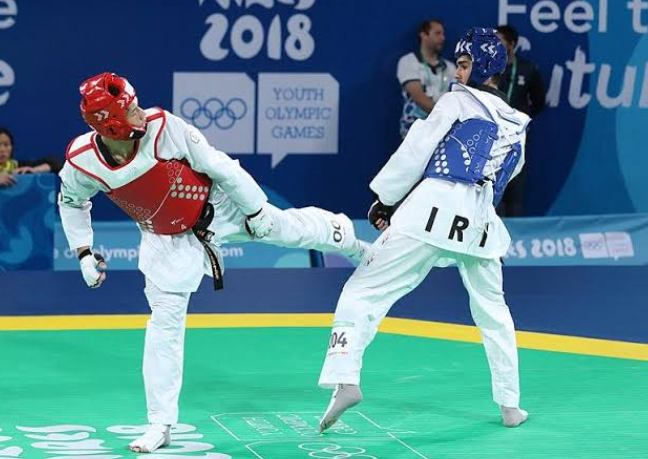

Teenagers face many different situations as they grow more independent. They may travel to school, participate in sports, spend time with friends, or handle unfamiliar social situations without a parent nearby. Learning basic self-defense can help them feel more prepared, but effective training should not teach teenagers to look for fights or respond aggressively.
The purpose of Teens self defense classes should be to develop awareness, confidence, self-control, communication, and practical safety skills. Physical techniques are only one part of that process. A well-structured program should help teenagers understand when to avoid conflict, when to leave a situation, and when it may be necessary to protect themselves.
Self-Defense Is About More Than Fighting
Many people associate self-defense with punches, kicks, or physical techniques. While physical skills can have a place in training, they should not be the entire focus.
Teenagers can learn several important skills before physical contact is ever necessary:
- Recognizing uncomfortable situations
- Paying attention to their surroundings
- Setting personal boundaries
- Using confident communication
- Avoiding unnecessary arguments
- Creating distance
- Finding a safe place
- Asking for help
- Knowing when physical action may be necessary
This broader approach makes self-defense a life skill rather than simply a fighting skill.
Confidence Does Not Mean Aggression
A confident teenager does not need to prove themselves by fighting.
True confidence can mean being comfortable saying no, walking away from an argument, asking for help, or standing up for themselves without immediately becoming physical.
This distinction is especially important for teenagers because peer pressure and disagreements can sometimes escalate quickly.
A good Teens self defense classes program should teach students that physical strength comes with responsibility. The goal is to stay safe, not to dominate another person.
Awareness Comes Before Physical Techniques
One of the most valuable parts of self-defense training is learning to pay attention.
Teenagers can practice noticing:
- Who is around them
- Where exits are located
- Whether an environment feels uncomfortable
- Changes in another person’s behavior
- Potentially unsafe situations
- Where trusted adults are available
Awareness does not mean being afraid of everyone. Instead, it encourages teenagers to make thoughtful decisions based on what is happening around them.
Learning to Set Clear Boundaries
Teenagers should understand that they have the right to communicate personal boundaries.
Simple statements can be useful:
- “Stop.”
- “Back up.”
- “Don’t touch me.”
- “I’m not interested in this.”
- “Leave me alone.”
- “I need help.”
Practicing these statements in a controlled environment can make it easier for a teenager to communicate clearly under pressure.
The goal is not to encourage confrontation. It is to give teenagers alternatives to immediately responding physically.
Walking Away Is a Strength
One of the most important lessons in Teens self defense classes is knowing when to walk away.
An argument does not always need to become a physical confrontation. If someone is insulting a teenager, trying to provoke them, or encouraging a fight, leaving the situation may be the safest response.
Teenagers should understand that walking away does not mean they are weak.
Choosing not to fight can demonstrate self-control and good judgment.
De-Escalation Should Be Part of Training
De-escalation means taking steps to prevent a situation from becoming more serious.
Teenagers can learn to:
- Keep their voice controlled
- Avoid unnecessary insults
- Give another person space
- Avoid threatening gestures
- Move toward safer areas
- End an argument when possible
- Ask an adult for assistance
These skills can be useful at school, during sports activities, and in everyday social situations.
Physical Skills Should Be Taught Responsibly
There is nothing wrong with teaching teenagers physical self-defense techniques in an appropriate environment.
Students may learn skills involving:
- Protective positioning
- Balance
- Footwork
- Creating distance
- Escaping certain holds
- Controlled striking
- Defensive movement
- Getting away from an unsafe situation
However, instruction should emphasize control and safety.
Teenagers should understand that learning a physical technique does not mean they should use it simply because they are angry or upset.
Martial Arts Can Provide Structured Practice
A martial arts class gives teenagers an organized environment in which to practice movement and discipline.
Instead of learning physical techniques through random experimentation, students can receive instruction and gradually develop their skills.
A responsible instructor can teach students how to:
- Follow directions
- Control their movements
- Work with training partners
- Respect rules
- Manage frustration
- Practice safely
- Improve through repetition
This structure can make physical training more constructive.
Confidence Develops Through Progress
Teenagers do not need to master difficult techniques immediately.
A beginner may struggle with balance, coordination, flexibility, or remembering combinations. With regular practice, those skills can gradually improve.
Every small improvement can give a student evidence that effort produces results.
For example, a teenager who could not perform a particular movement during the first few classes may eventually complete it with better control. This type of progress can contribute to a stronger sense of capability.
A randomized controlled trial involving secondary-school students found improvement in self-efficacy following a short martial arts-based intervention, although results from martial arts research vary depending on the program and outcome being studied.
Discipline Helps Control Emotional Reactions
Self-defense training can involve repeated practice, rules, and structured challenges.
Teenagers may learn that becoming frustrated does not mean they should quit or react impulsively.
They can practice:
- Staying focused
- Listening carefully
- Controlling movement
- Accepting corrections
- Repeating difficult techniques
- Remaining patient
These habits can support emotional self-management, although martial arts should not be presented as a guaranteed solution for aggression or behavioral problems. Recent research on youth martial arts has found mixed results regarding aggression, with outcomes varying by training context and program structure.
Teach the Difference Between Confidence and Intimidation
A teenager who becomes physically stronger may sometimes feel more confident around others. It is important to teach them that confidence should never become intimidation.
A confident student does not need to:
- Threaten classmates
- Show off techniques
- Start fights
- Bully weaker students
- Use martial arts to win arguments
Instead, confidence should help teenagers remain calm and make responsible decisions.
Self-Defense Can Support Better Decision-Making
A teenager may face a situation where several responses are possible.
They might:
- Stay and argue
- Walk away
- Ask friends for support
- Contact a trusted adult
- Move toward a safer location
- Use verbal boundaries
- Protect themselves if immediate physical danger cannot be avoided
Training can help teenagers think about these options before they ever face a stressful situation.
Preparation can make it easier to respond thoughtfully rather than automatically reacting.
Choose an Instructor Who Prioritizes Safety
Not every training environment has the same approach.
Parents should look for instructors who understand that teenagers need age-appropriate guidance.
A positive program should emphasize:
- Respect
- Safety
- Self-control
- Proper technique
- Responsible behavior
- Clear boundaries
- Gradual progression
- Positive communication
Instructors should also discourage students from using training skills to intimidate or hurt others outside supervised practice.
Avoid Programs That Glorify Fighting
Parents should pay attention to the messages a program communicates.
A healthy self-defense environment should not make teenagers believe that being tough means constantly looking for opportunities to fight.
Instead, students should hear messages such as:
“Stay aware.”
“Try to avoid unnecessary conflict.”
“Use your voice.”
“Create distance.”
“Get help.”
“Protect yourself if necessary.”
This type of instruction keeps the purpose of self-defense focused on safety.
Training Can Improve Physical Fitness
Self-defense training can also provide an active form of exercise.
Depending on the program, teenagers may practice:
- Footwork
- Kicks
- Punches
- Balance exercises
- Conditioning
- Flexibility
- Coordination drills
- Partner exercises
Regular physical activity can contribute to overall fitness and give teenagers a productive way to use their energy.
Encourage Respect for Training Partners
Respect should be part of every class.
Teenagers may work with students who have different experience levels, body types, abilities, and personalities.
Learning to train safely with different people can teach valuable social habits.
Students should understand that their training partner is not an opponent to defeat during every exercise. Both people are there to learn.
Self-Defense Should Not Create Fear
The goal of training is not to make teenagers believe that danger is everywhere.
Constant fear can make safety education less effective.
Instead, teenagers can learn practical habits without becoming suspicious of everyone around them.
They can understand that most everyday situations are ordinary while still knowing what to do if something genuinely feels unsafe.
Parents Can Reinforce Lessons at Home
Self-defense training works best when parents support the same principles outside the class.
Parents can discuss topics such as:
- Personal boundaries
- Online and offline safety
- Peer pressure
- Bullying
- Conflict resolution
- Asking for help
- Safe transportation
- Emergency planning
These conversations can reinforce the idea that self-defense involves decision-making as much as physical ability.
Encourage Teens to Speak Up
Teenagers may sometimes hesitate to tell adults about uncomfortable situations because they worry about embarrassment, punishment, or not being believed.
Parents should make it clear that asking for help is a responsible choice.
If a teenager experiences repeated bullying, threats, harassment, or another concerning situation, they should know which trusted adults they can approach.
Self-defense should never place the entire responsibility for safety on the teenager.
Recovery and Balance Still Matter
Teenagers should not be expected to train constantly.
School, sleep, family responsibilities, friendships, and other activities are also important.
A reasonable training schedule should leave enough time for recovery.
Parents and instructors can work together to make sure training remains appropriate for the teenager’s age, experience, and overall schedule.
What Parents Should Look for in Teens Self Defense Classes
Before enrolling a teenager, parents can ask a few practical questions.
Consider whether the program:
- Has experienced instructors
- Provides age-appropriate training
- Uses appropriate safety equipment
- Teaches physical control
- Includes awareness and communication
- Discourages unnecessary fighting
- Maintains respectful student behavior
- Allows beginners to progress gradually
- Provides adequate supervision
A teenager should feel challenged, but they should also feel safe and respected.
The Main Goal Should Be Preparedness
Self-defense training should help teenagers understand that they have choices.
They can recognize a problem, create distance, communicate clearly, leave when possible, seek assistance, and protect themselves if immediate danger requires physical action.
This approach gives teenagers practical tools without teaching them that violence is the answer to ordinary disagreements.
Conclusion
Teens self defense classes can provide much more than physical techniques. When taught responsibly, training can introduce teenagers to awareness, communication, discipline, physical fitness, confidence, and responsible decision-making.
The key is to make self-defense about protection rather than aggression. Teenagers should learn that confidence does not mean intimidating others, and strength does not mean looking for a fight.
A supportive program can give teens opportunities to practice staying calm, respecting boundaries, handling challenges, and making safer choices. When these lessons are combined with appropriate physical training, self-defense can become a constructive part of a teenager’s personal development.


 By
By



 By
By