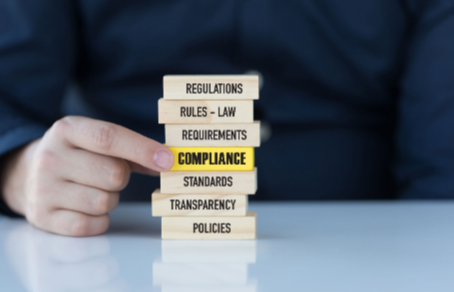

Fire risk assessment is not only a safety requirement but also a legal obligation in many countries. It plays a vital role in identifying potential fire hazards, evaluating risks to people and property, and implementing control measures to prevent fire-related incidents. The legal and regulatory aspects of fire risk assessment ensure that organizations, property owners, and employers take responsibility for fire safety and comply with established laws and standards. Understanding these legal requirements is essential to avoid penalties, protect lives, and ensure business continuity.
Understanding Fire Risk Assessment from a Legal Perspective
A fire risk assessment is a systematic evaluation of a building or workplace to identify fire hazards, assess the likelihood of fire, and determine appropriate preventive and protective measures. Legally, it serves as documented proof that reasonable steps have been taken to reduce fire risks. Regulatory authorities often require this assessment to be carried out by a competent person and updated regularly, especially when changes occur in the building layout, occupancy, or operations.
Failure to conduct a proper fire risk assessment can result in severe legal consequences, including fines, business closure, or criminal liability in cases where negligence leads to injury or loss of life.
Key Legal Framework Governing Fire Risk Assessment
Fire safety laws vary across jurisdictions, but most legal frameworks share common objectives: prevention of fire, protection of occupants, and preparedness for emergencies. These laws define responsibilities for employers, building owners, landlords, and facility managers.
Typically, fire safety legislation requires:
- Identification of fire hazards and ignition sources
- Evaluation of people at risk, including vulnerable individuals
- Implementation of fire prevention and protection measures
- Provision of fire safety training and evacuation plans
- Maintenance of fire safety equipment
- Documentation and regular review of fire risk assessments
Regulatory authorities may inspect premises to ensure compliance and may demand access to fire risk assessment records as evidence of adherence to legal requirements.
Regulatory Standards and Compliance Requirements
In addition to primary fire safety laws, regulatory standards and codes provide detailed guidance on how fire risk assessments should be conducted. These standards outline best practices for fire detection systems, emergency lighting, escape routes, fire-resistant materials, and fire-fighting equipment.
Compliance with these regulations is often mandatory and may be enforced through building codes, occupational safety regulations, or local fire authority rules. Organizations must ensure that their fire risk assessments align with these standards to demonstrate legal compliance and reduce liability risks.
Responsibilities of Employers and Building Owners
Legally, employers and building owners carry the primary responsibility for fire risk assessment. They must ensure that:
- A suitable and sufficient fire risk assessment is carried out
- Identified risks are minimized as far as reasonably practicable
- Employees, residents, or visitors are informed about fire safety procedures
- Fire drills and training sessions are conducted regularly
Landlords also have specific legal duties to ensure shared spaces and rented properties meet fire safety regulations. Ignoring these responsibilities can lead to enforcement actions, civil claims, and reputational damage.
Enforcement, Penalties, and Legal Consequences
Regulatory authorities have the power to enforce fire safety laws through inspections, improvement notices, and prohibition notices. If serious fire risks are identified, authorities may restrict the use of premises until compliance is achieved.
Legal penalties for non-compliance may include:
- Heavy financial fines
- Imprisonment in cases of gross negligence
- Civil lawsuits from affected individuals
- Revocation of business licenses or permits
Courts often consider the quality and adequacy of the fire risk assessment when determining liability after a fire incident.
Importance of Documentation and Record Keeping
Proper documentation is a critical legal requirement in fire risk assessment. Written records demonstrate that hazards were identified, risks were evaluated, and control measures were implemented. These records must be kept up to date and made available to inspectors upon request.
Documentation typically includes:
- Details of identified fire hazards
- Risk evaluation findings
- Implemented safety measures
- Training records and evacuation plans
- Dates of review and updates
Accurate record keeping can significantly reduce legal exposure and support defense in case of regulatory or legal action.
Role of Competent Persons in Fire Risk Assessment
Many regulations require fire risk assessments to be conducted by a competent person. This means someone with sufficient training, experience, and knowledge of fire safety principles and legal requirements.
Using unqualified individuals may result in inadequate assessments that fail to meet legal standards, exposing organizations to enforcement action. Engaging competent professionals helps ensure compliance, accuracy, and reliability of the assessment process.
Regular Review and Legal Updates
Fire risk assessments are not one-time activities. Laws and regulations often mandate periodic reviews, especially when changes occur such as building renovations, changes in occupancy, or introduction of new equipment.
Additionally, legal frameworks evolve over time. Organizations must stay informed about updates to fire safety laws and regulations to ensure continuous compliance and avoid unintentional violations.
Read Also: Chinese Trading and Commerce Networks in WhatsApp and Telegram
Conclusion
The legal and regulatory aspects of fire risk assessment form the backbone of effective fire safety management. Compliance with fire safety laws is not optional; it is a legal duty that protects lives, property, and organizational integrity. By conducting thorough fire risk assessments, maintaining proper documentation, engaging competent professionals, and regularly reviewing safety measures, organizations can meet regulatory requirements and significantly reduce legal and operational risks. A proactive approach to fire risk assessment ensures safety, compliance, and long-term resilience.
Frequently Asked Questions (FAQs)
What is the legal purpose of a fire risk assessment?
The legal purpose of a fire risk assessment is to identify fire hazards, evaluate risks, and implement preventive measures to protect people and property while demonstrating compliance with fire safety laws.
Who is legally responsible for conducting a fire risk assessment?
Employers, building owners, landlords, and persons in control of premises are legally responsible for ensuring a suitable and sufficient fire risk assessment is carried out.
How often should a fire risk assessment be reviewed?
A fire risk assessment should be reviewed regularly and whenever there are significant changes to the building, occupancy, activities, or fire safety legislation.
What happens if a fire risk assessment is not conducted?
Failure to conduct a fire risk assessment can result in legal penalties such as fines, enforcement notices, business closure, or criminal liability in severe cases.
Is documentation of fire risk assessment legally required?
Yes, documentation is often legally required and serves as evidence of compliance during inspections, audits, or legal proceedings.



 By
By