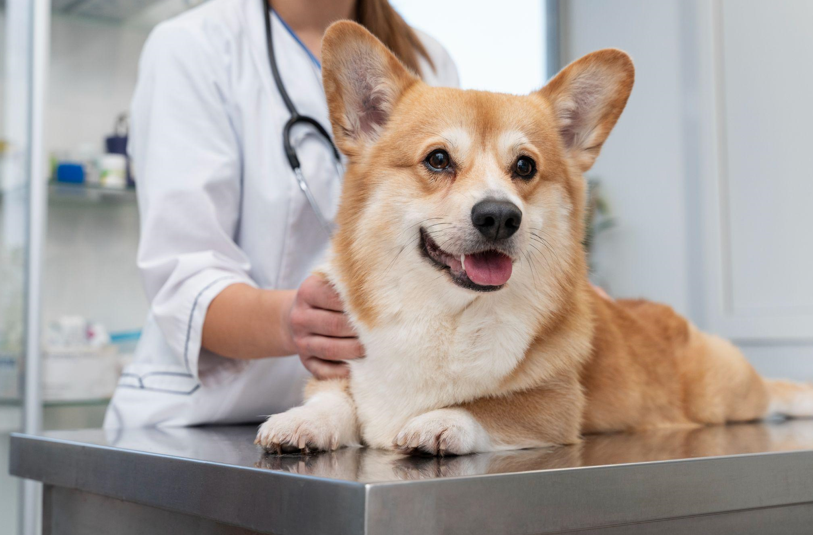

Pets are more than animals, they are family. Just like people, they need proper medical care at every stage of life to stay healthy, active, and happy. From minor illnesses to long-term conditions, timely and appropriate treatment for pets plays a crucial role in improving their quality of life. Understanding how pet treatment works helps pet parents make confident, informed decisions for their furry companions.
This guide explains the different aspects of pet treatment, why early care matters, and how regular veterinary attention supports long-term wellness, all in a gentle, pet-friendly way.
Understanding Treatment for Pets
Treatment for pets refers to the medical care provided to diagnose, manage, and heal health conditions in animals. It can range from routine care like parasite control to advanced treatments for injuries or chronic diseases. Each treatment plan is tailored to the pet’s age, breed, lifestyle, and specific health needs.
Veterinarians focus not only on curing illness but also on reducing pain, preventing complications, and ensuring emotional comfort. The goal is always to help pets feel better and return to their normal routines as quickly as possible.
Why Early Treatment Is Important
Pets often hide pain or discomfort, making it difficult to notice health problems in the early stages. Delaying treatment can allow minor issues to turn into serious conditions. Early veterinary care helps by:
- Detecting illness sooner
- Reducing pain and discomfort
- Preventing disease progression
- Lowering treatment costs over time
- Improving recovery outcomes
Prompt care gives pets the best chance at a healthy, active life.
Common Conditions That Require Pet Treatment
Pets may need treatment for a wide range of health concerns, including:
● Infections
Bacterial, viral, and fungal infections can affect the skin, ears, eyes, respiratory system, or digestive tract. Early diagnosis allows effective medication and faster recovery.
● Digestive Issues
Vomiting, diarrhoea, constipation, or appetite loss may indicate dietary problems, infections, or internal blockages that require medical attention.
● Skin and Coat Problems
Allergies, parasites, and infections often show up as itching, redness, hair loss, or sores. Treatment focuses on relieving discomfort and addressing the root cause.
● Joint and Mobility Issues
Arthritis, injuries, or developmental conditions can affect a pet’s movement. Treatment may include medication, supplements, weight management, or physical therapy.
The Role of Regular Veterinary Checkups
A routine veterinary checkup in Dubai is one of the most effective ways to protect your pet’s health. These visits allow veterinarians to monitor overall well-being, identify subtle changes, and recommend preventive or corrective treatment when needed.
During a checkup, veterinarians may:
- Examine teeth, skin, ears, and eyes
- Check heart rate and breathing
- Assess weight and mobility
- Discuss diet and lifestyle
- Recommend tests or treatments
Regular checkups help build a health history for your pet, making future treatment more accurate and personalised.
Diagnostic Tools That Support Pet Treatment
Accurate diagnosis is essential for effective treatment. Veterinarians use various diagnostic tools, such as:
- Blood tests
- Urine and stool analysis
- X-rays and ultrasound
- Physical examinations
These tools help identify the exact cause of symptoms, allowing targeted treatment rather than guesswork.
Treatment Options for Pets
Treatment plans vary depending on the condition but may include:
- Medication: Used to treat infections, manage pain, control inflammation, or regulate chronic conditions. Medications are prescribed carefully based on a pet’s size and health status.
- Dietary Management: Special diets can help manage allergies, digestive problems, kidney disease, or weight issues. Nutrition plays a major role in recovery and long-term health.
- Surgical Intervention: Some conditions require surgery to correct injuries, remove growths, or treat internal problems. Surgery is often followed by supportive care and recovery monitoring.
- Supportive and Long-Term Care: Chronic conditions such as diabetes or arthritis may require ongoing treatment, regular monitoring, and lifestyle adjustments to maintain comfort.
See also: Horse Racing and Its Role in Promoting Animal Health
Emotional Care During Treatment
Medical treatment isn’t just about physical healing. Pets can feel anxious when they are unwell or visiting unfamiliar environments. Gentle handling, calm communication, and familiar routines help reduce stress during treatment.
Pet parents play an important role by offering reassurance, patience, and affection. A calm and loving environment supports faster healing and emotional well-being.
Preventive Care as Part of Treatment
Prevention is an essential part of pet treatment. Regular vaccinations, parasite control, dental care, and wellness screenings reduce the risk of serious illness. Preventive care minimises the need for intensive treatment later and supports a longer, healthier life.
When to Seek Immediate Treatment
Pet parents should seek veterinary care immediately if they notice:
- Sudden lethargy or collapse
- Difficulty breathing
- Persistent vomiting or diarrhoea
- Severe pain or limping
- Unusual behaviour changes
Quick action can make a life-saving difference.
Building a Long-Term Treatment Plan
Every pet is unique, and their treatment should always reflect their individual needs, lifestyle, and life stage. A well-structured long-term treatment plan focuses on maintaining health, managing existing conditions, and supporting overall quality of life rather than only responding to illness when it appears.
• Regular monitoring: Ongoing checkups and routine health assessments allow veterinarians to track changes in your pet’s health over time. Regular monitoring helps identify early signs of illness, assess treatment effectiveness, and make timely adjustments before issues become serious.
• Adjusting treatment as pets age: As pets grow older, their nutritional needs, activity levels, and medical requirements change. Treatment plans should evolve with age, ensuring senior pets receive appropriate care for joint health, organ function, and overall vitality.
• Managing chronic conditions: Long-term treatment plans are especially important for pets living with chronic conditions such as arthritis, diabetes, allergies, or heart disease. Consistent medication, lifestyle management, and regular follow-ups help control symptoms and improve daily comfort.
• Maintaining comfort and mobility: Supporting pain management, mobility, and emotional well-being is essential for long-term care. Therapies, dietary adjustments, and gentle exercise help pets stay active, comfortable, and happy.
Working closely with a veterinarian ensures your pet receives personalized, compassionate care throughout every stage of life, promoting longevity, comfort, and a stronger bond between you and your pet.
Conclusion
Proper medical attention, early diagnosis, and compassionate handling form the foundation of effective treatment for pets. With access to skilled veterinary services in dubai, pets can receive timely care that supports comfort, recovery, and long-term well-being.
Companion Veterinary Clinic provides compassionate care, accurate diagnosis, and professional treatment support, helping pets heal comfortably and enjoy healthier, happier lives with the families who love them.


 By
By




 By
By